2023
Helping small business to reach broad audience.
Summary
Project successfully finished MVP stage and started to scale, reaching a new core audience.
The new target audience spends more time on the existing design and has more unsuccessful completions of the setup scenario and further use of the device.
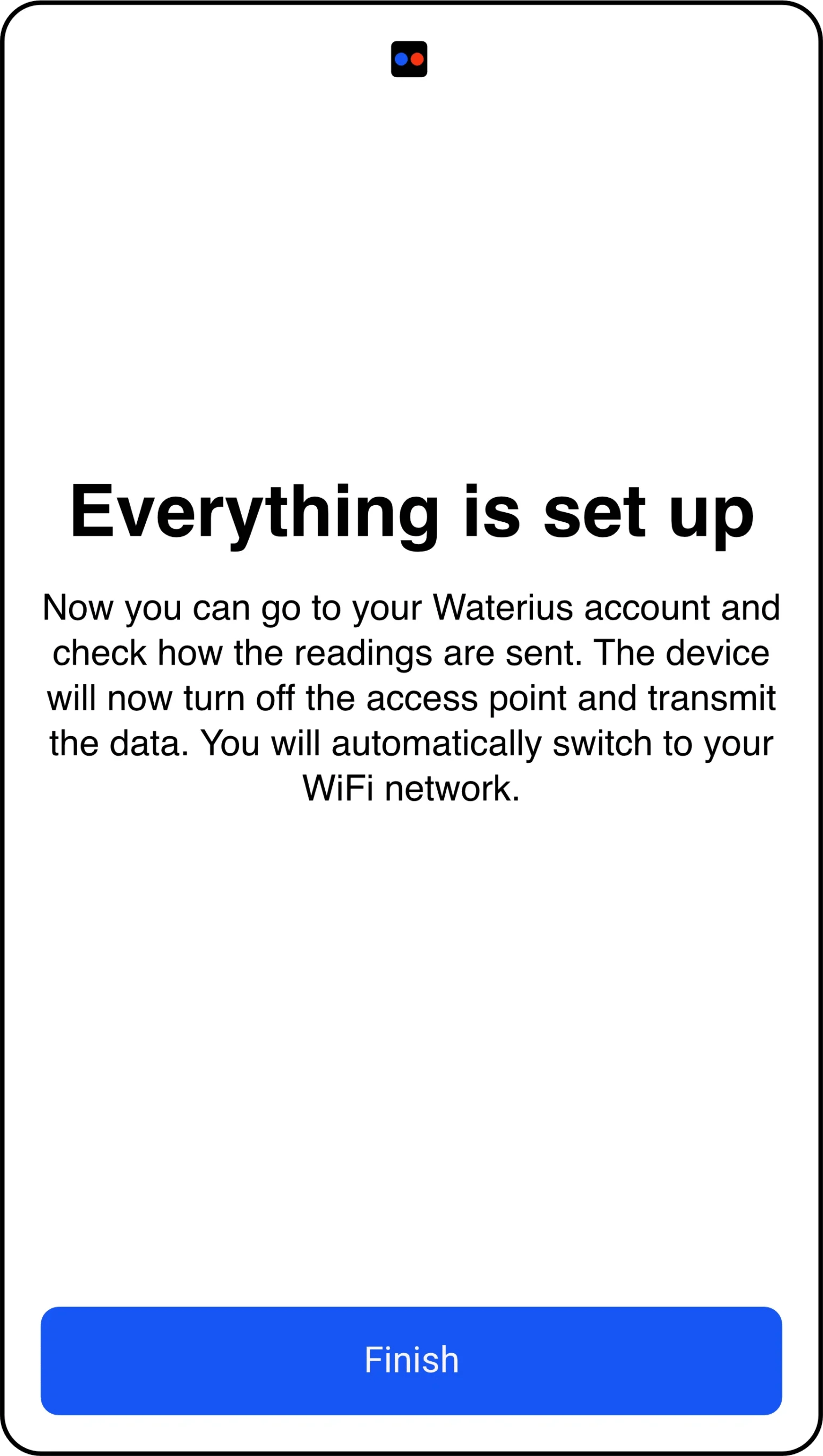
Setup completion rate climbed from 23% to 95% after the redesign.
Business
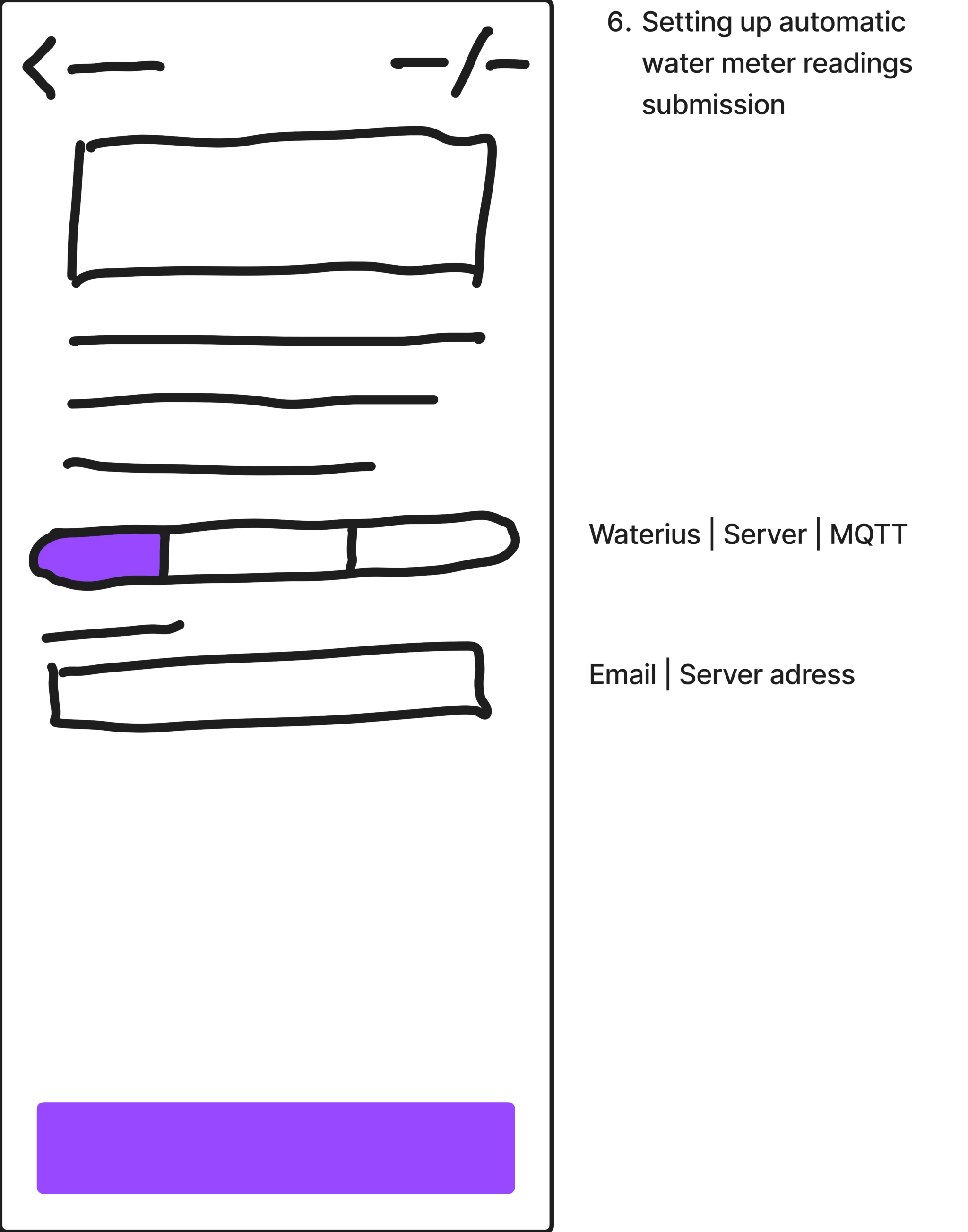
The setup screen was one big form: SSID, password, meter type, serial number, initial reading, weight per pulse, data destination (HTTP / MQTT / Blynk / Waterius cloud), and a few advanced fields. All visible at once. All required. None explained.
The brief, in one sentence: let a non-technical person install this without phoning their kid.
Problem
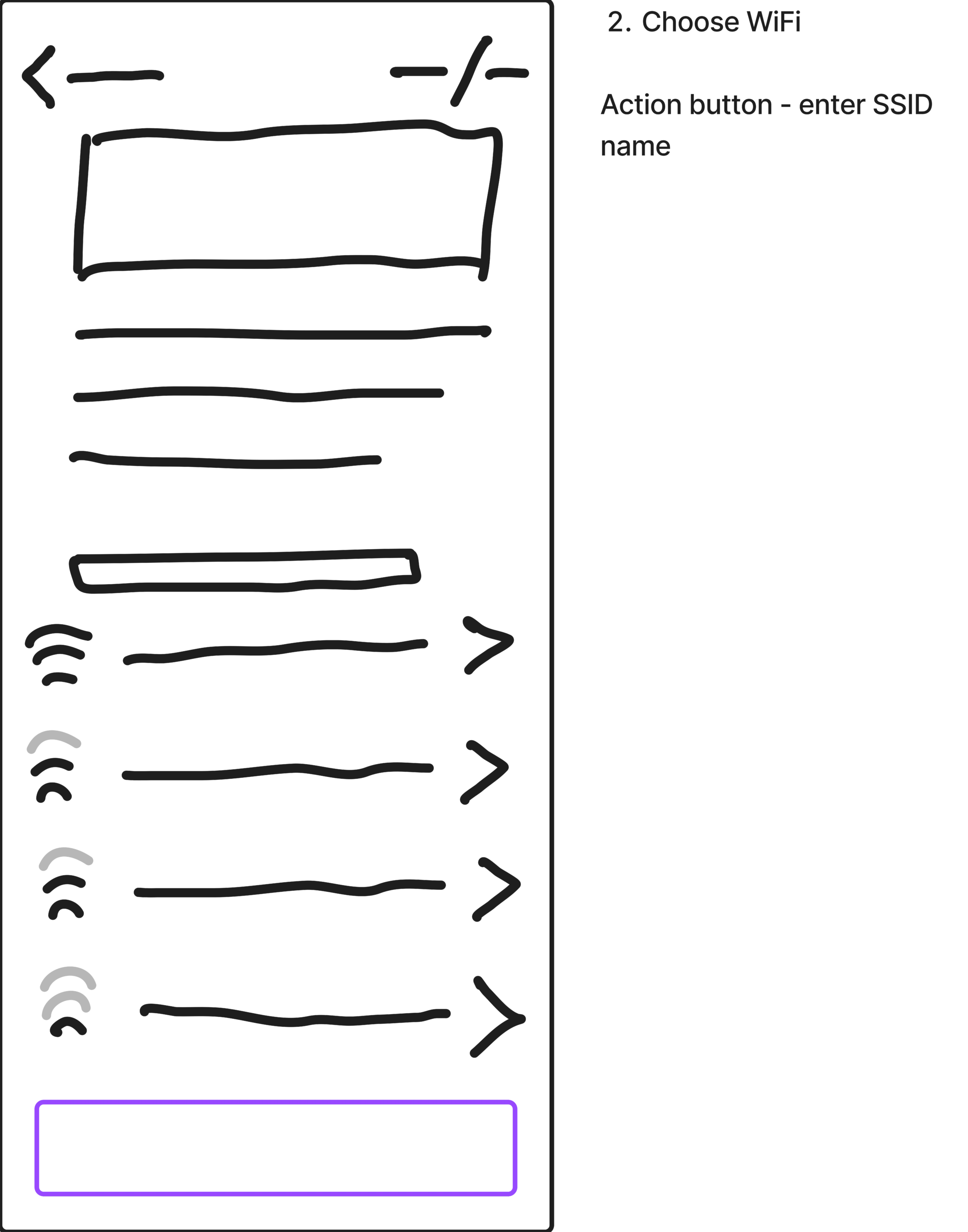
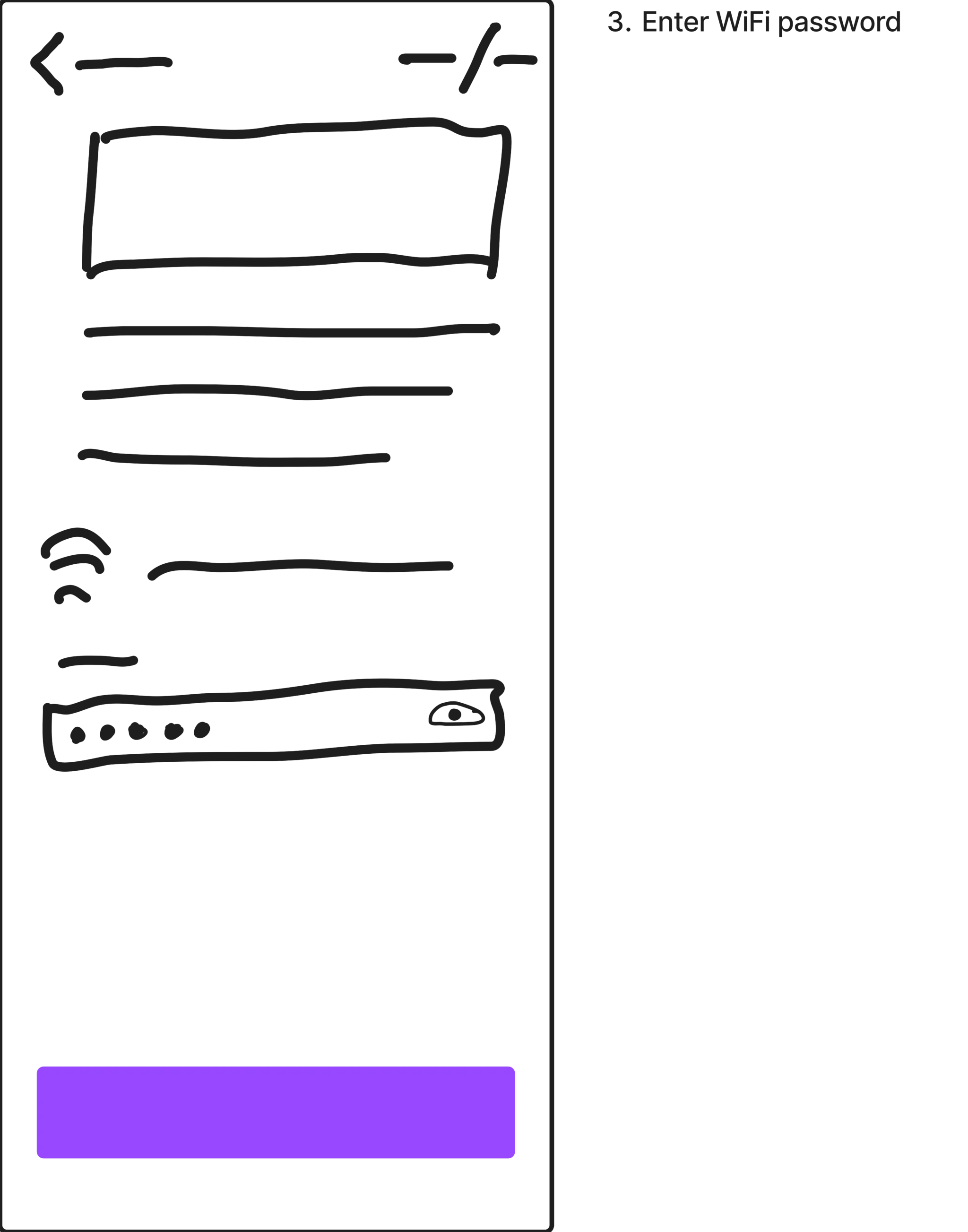
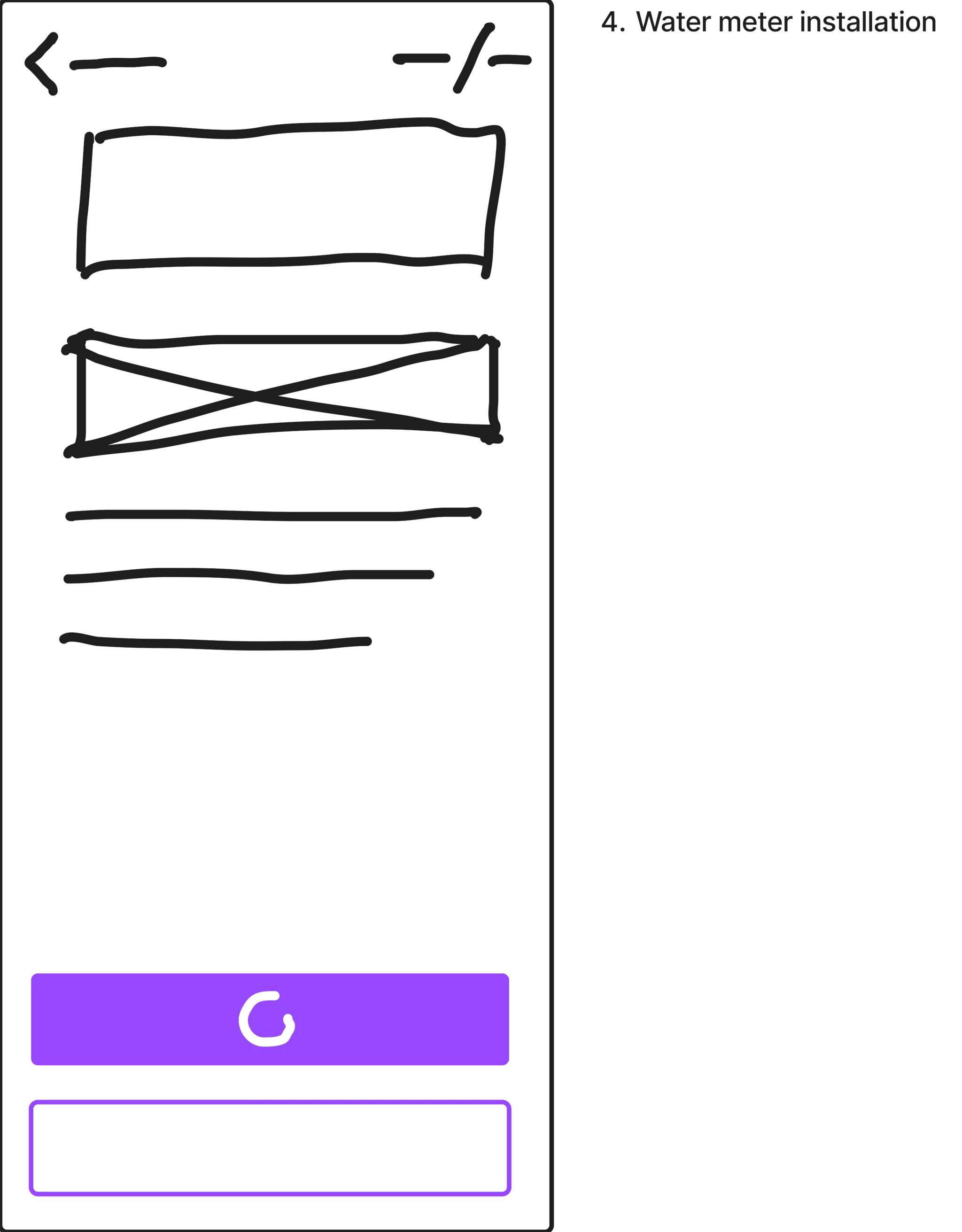
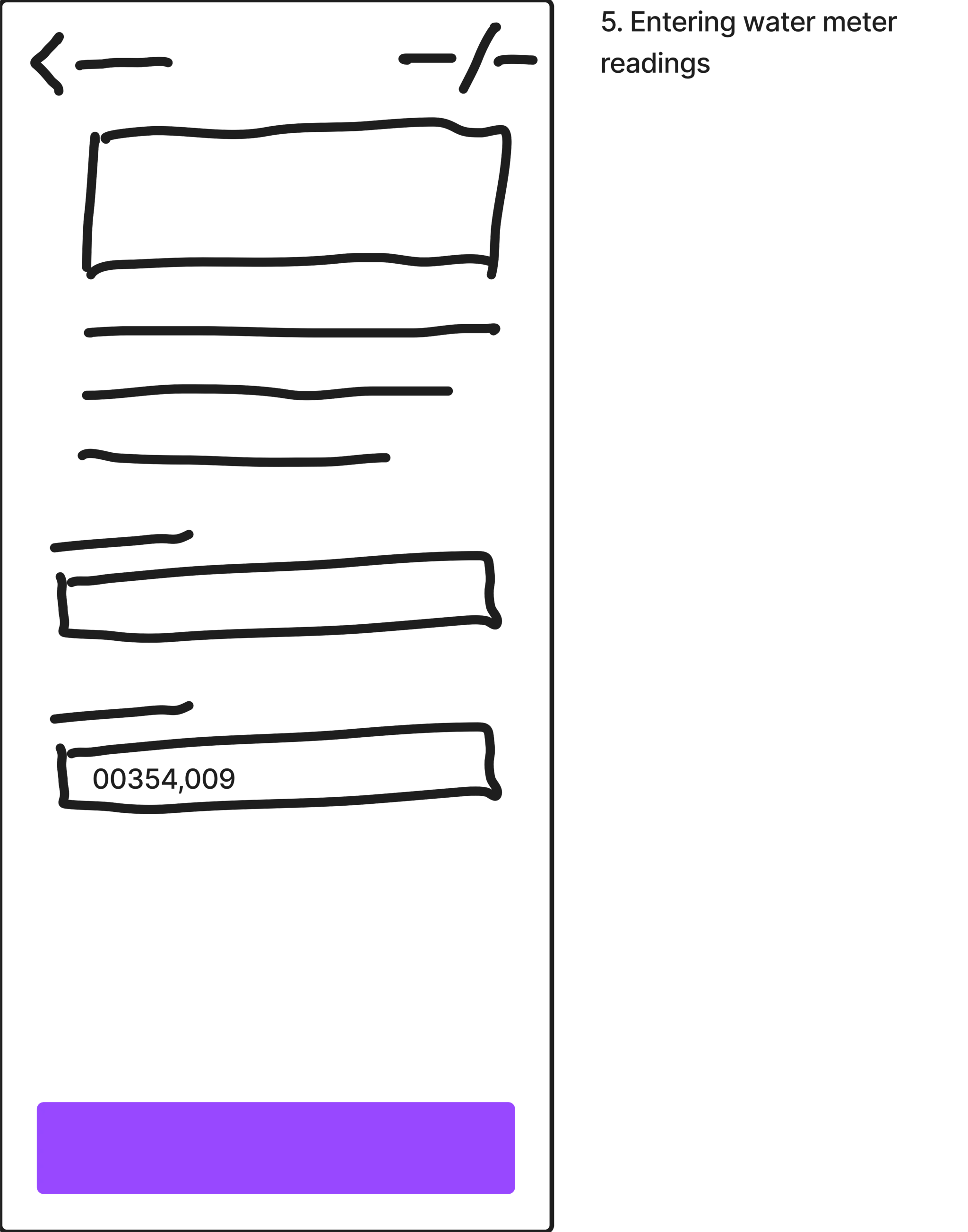
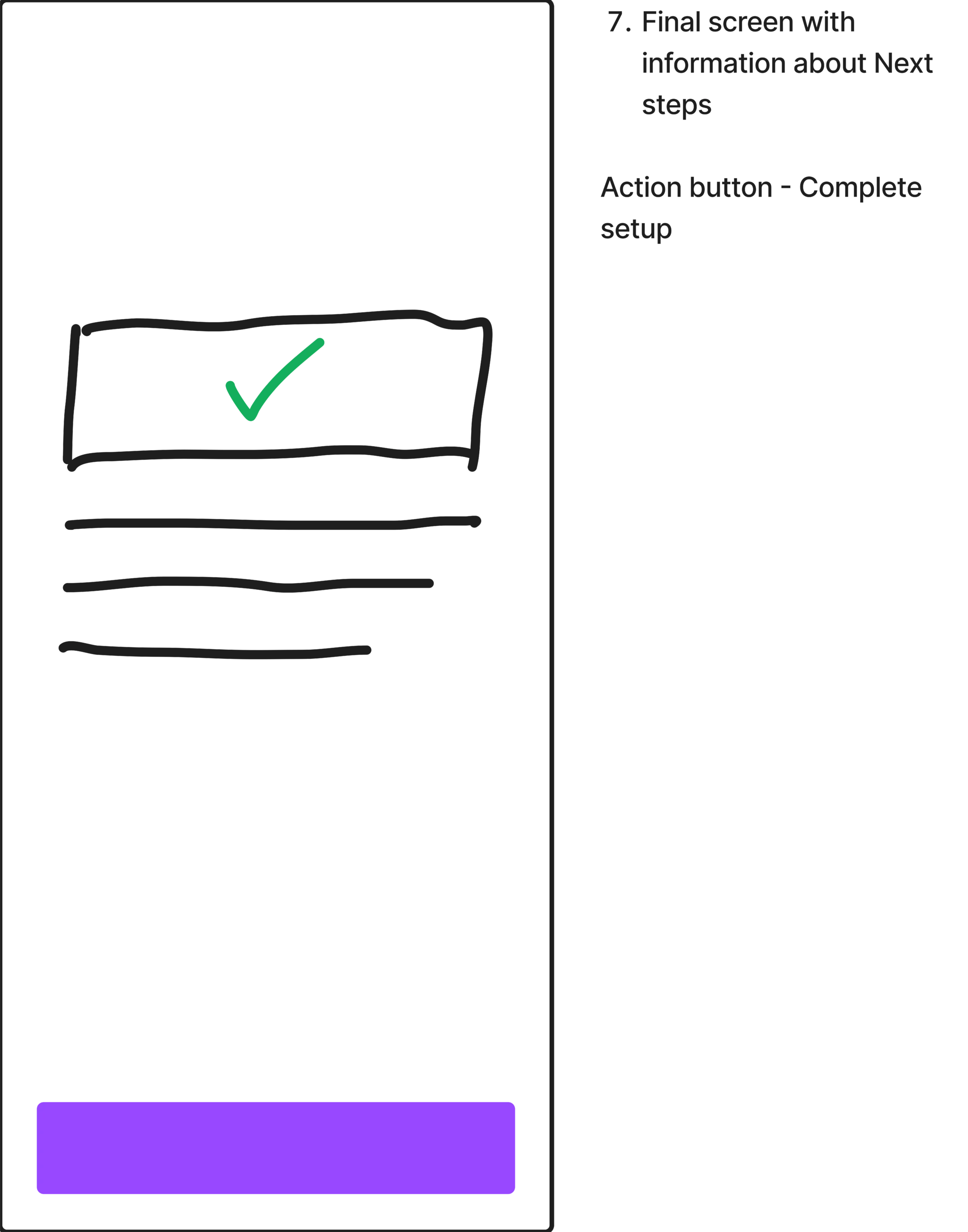
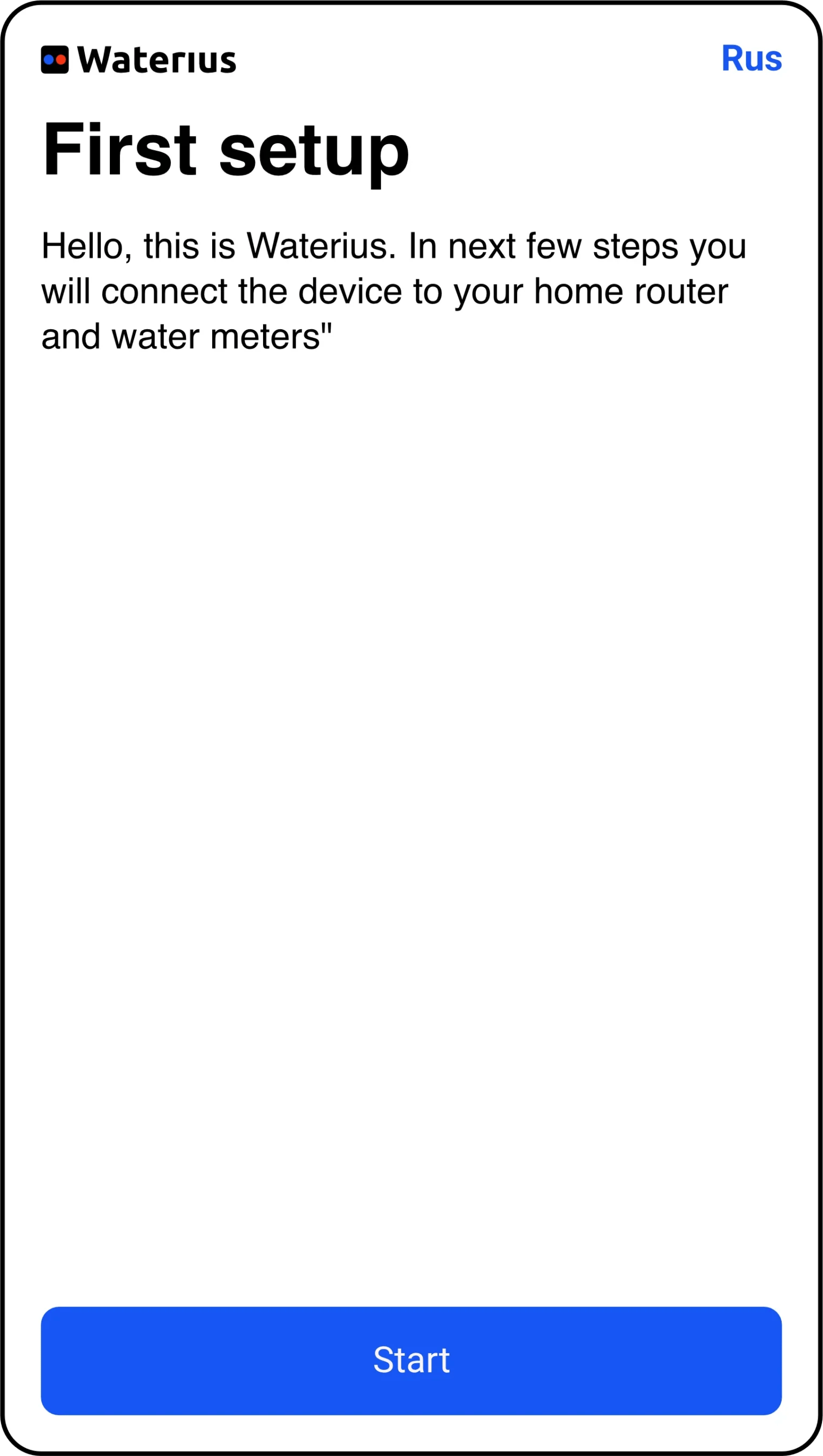
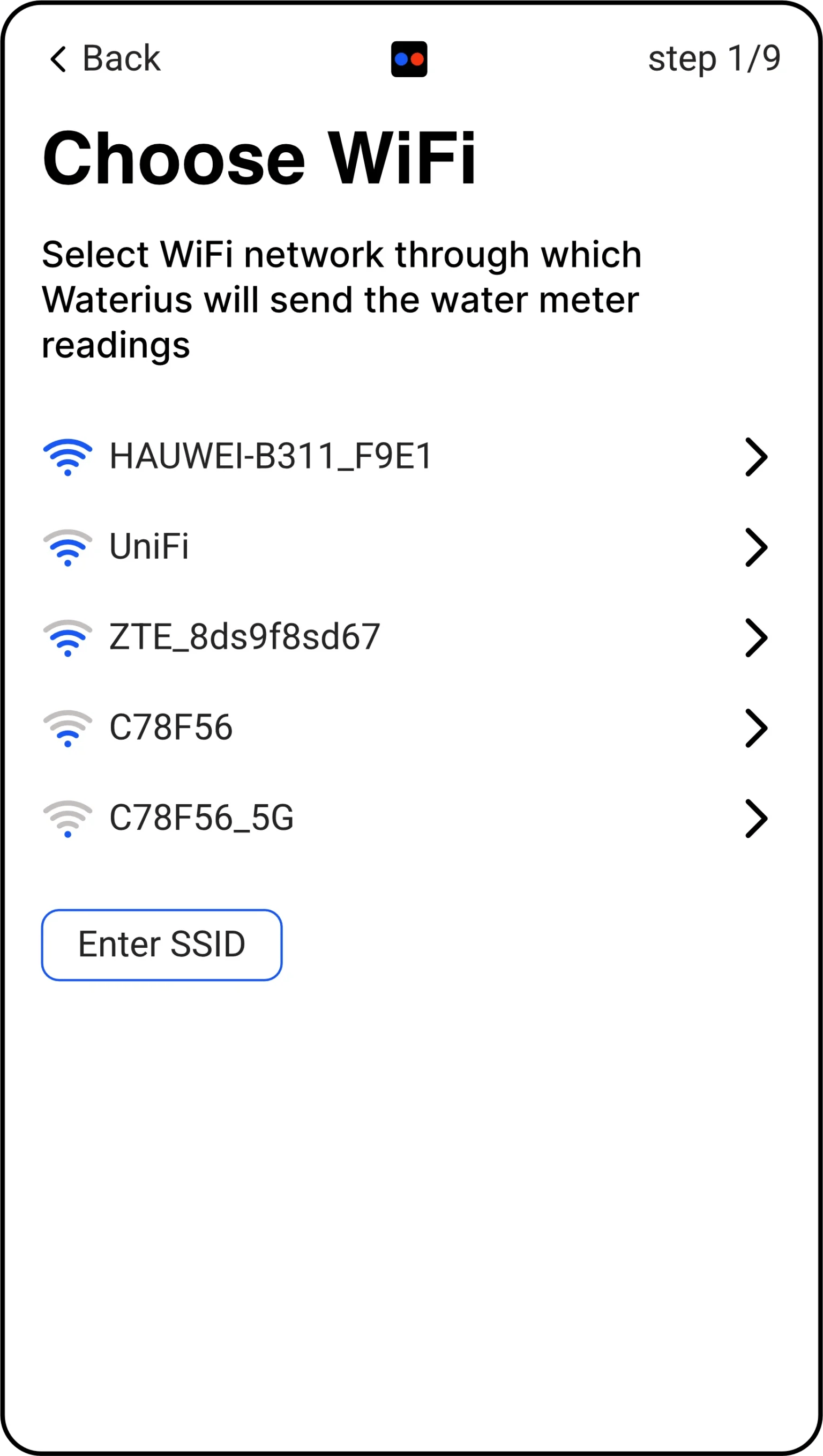
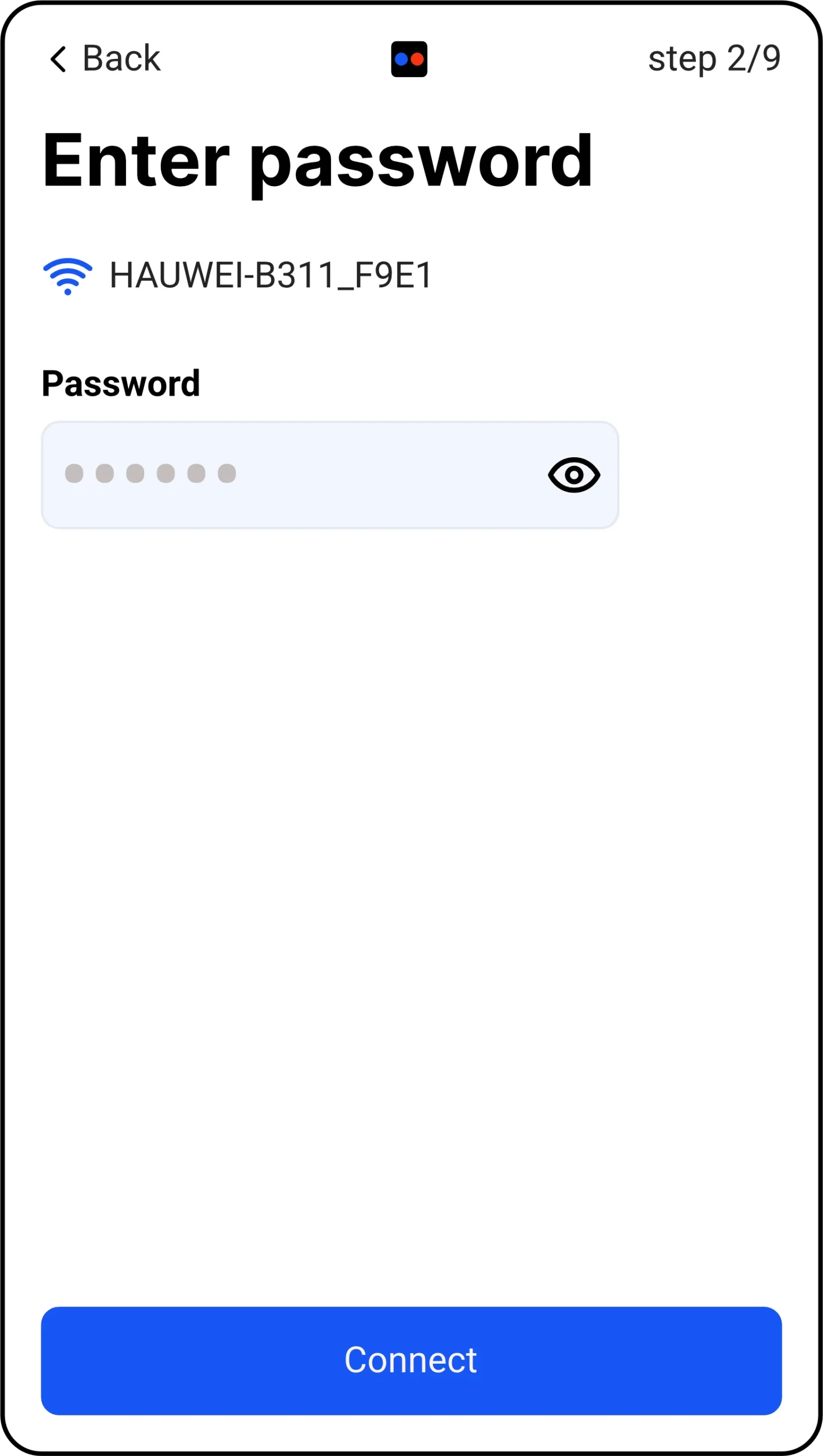
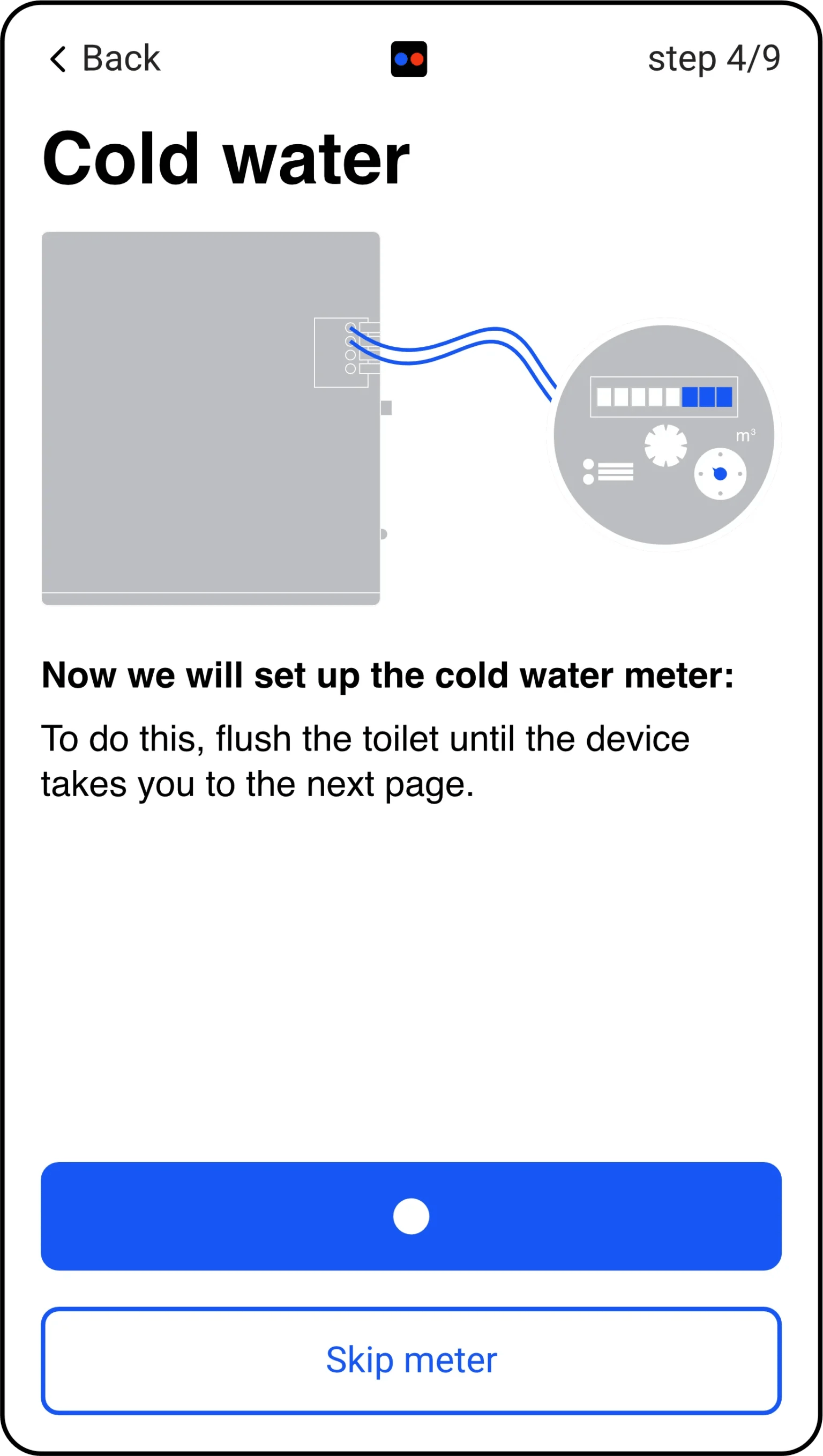
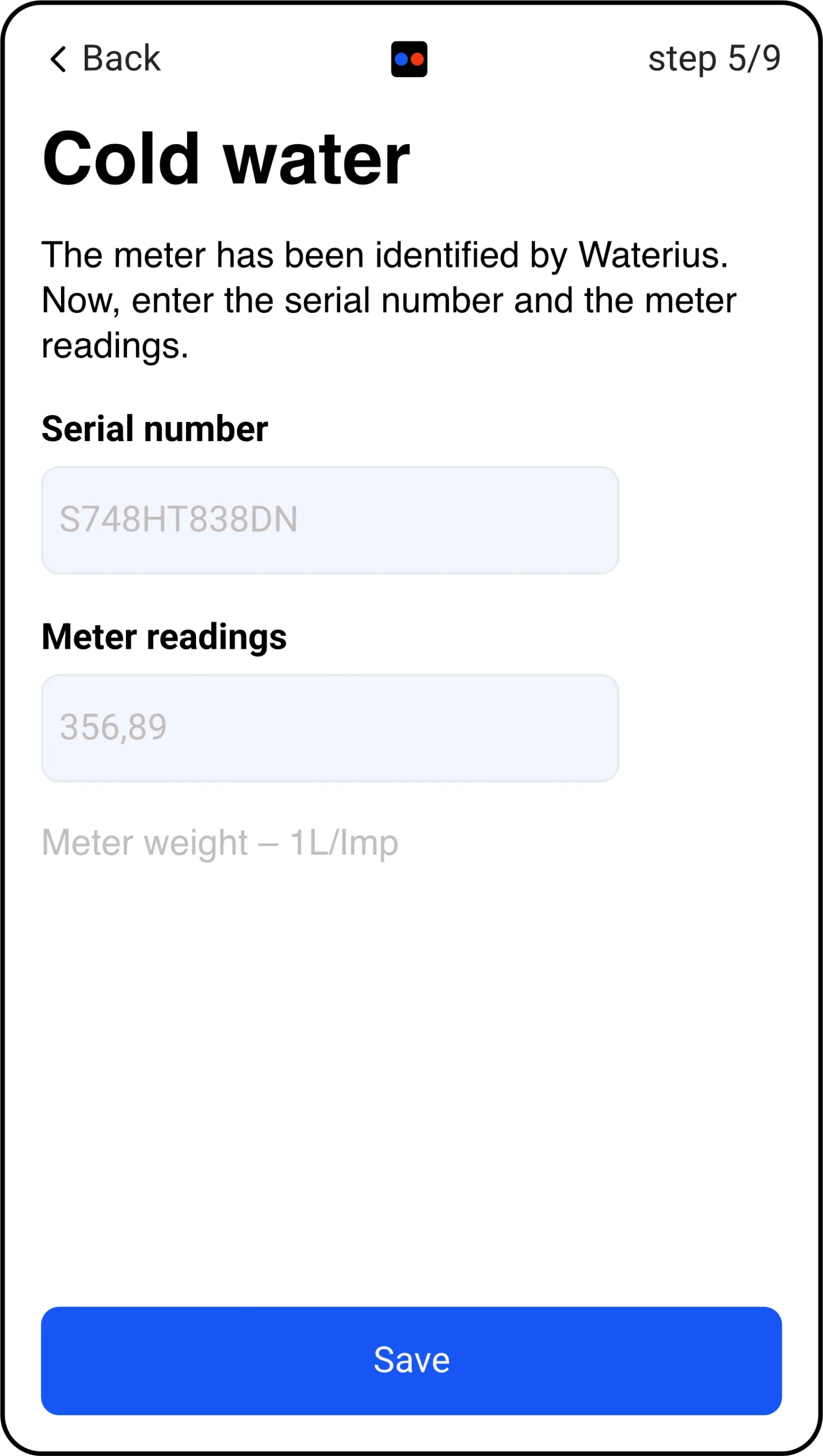
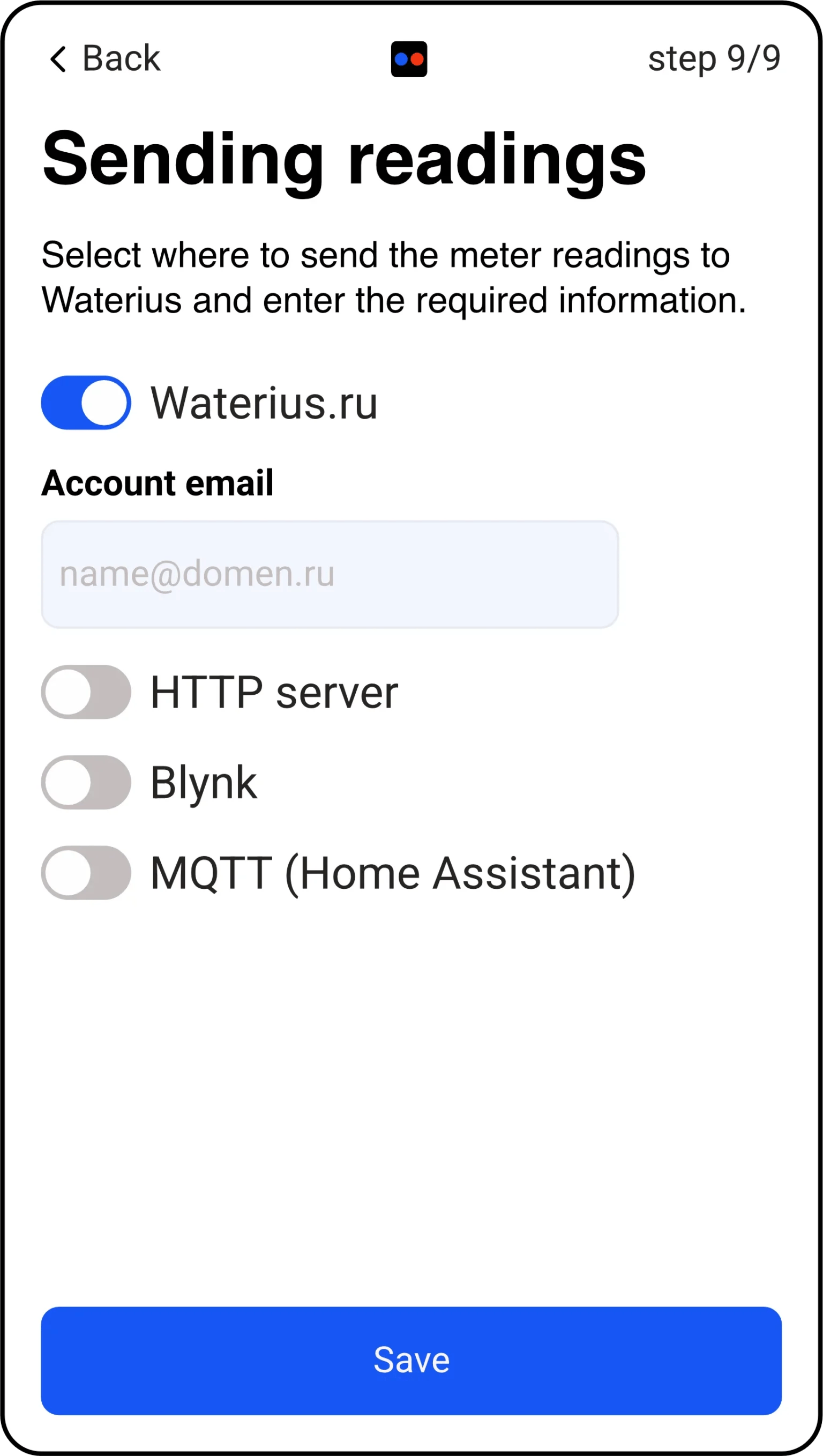
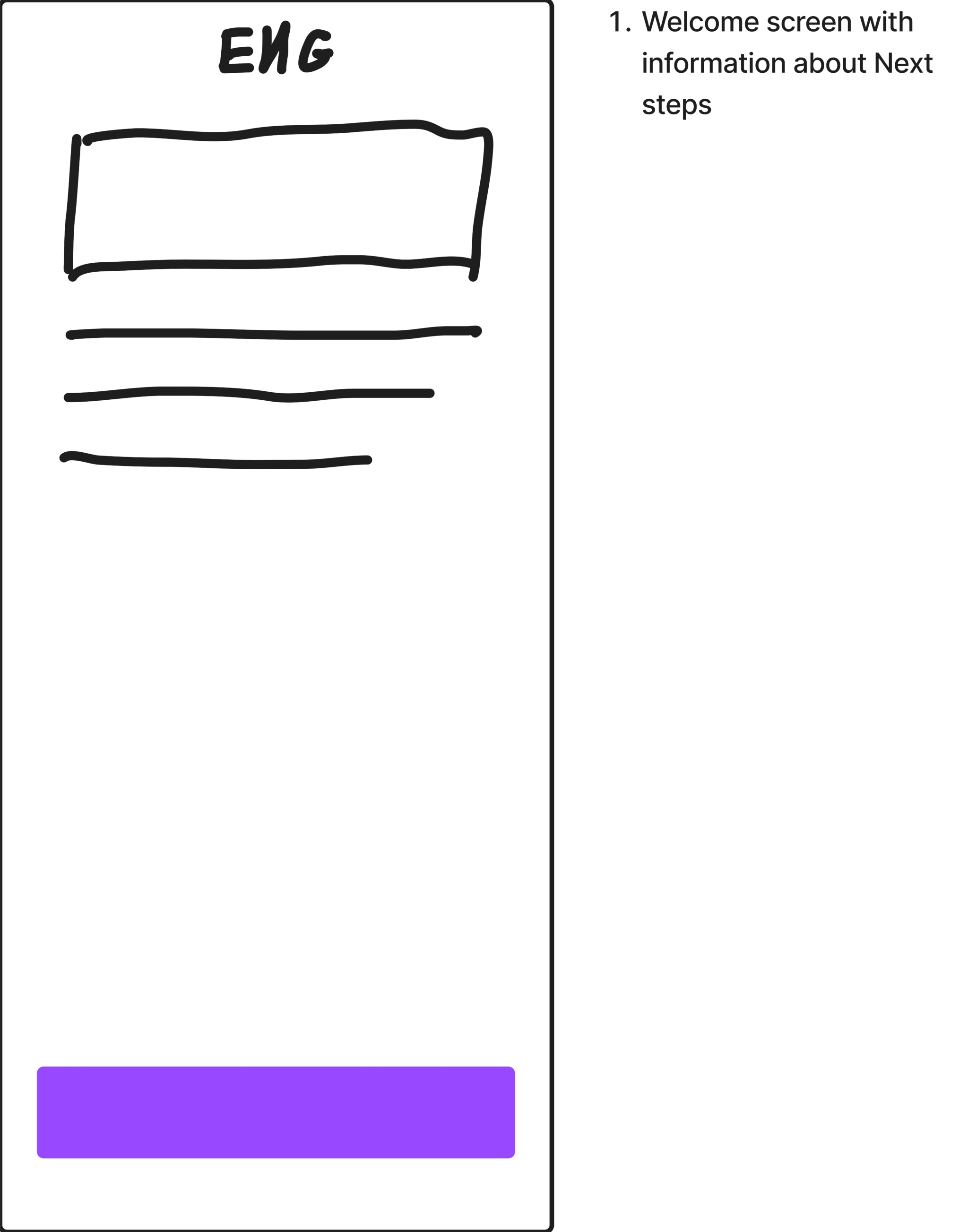
The answer was nine steps, one question per step, and an honest welcome screen that says what’s about to happen and how long it will take. The advanced data destinations got moved behind a single toggle, off by default, with a sentence explaining who would want them.
Solution
This is the kind of decision that looks lazy in a portfolio and saves a support team forty hours a week.
Impact
Sometimes a working product just needs a quieter way in.
9
Steps, each with one question. Down from one overloaded screen.
~90%
Of households finish setup using only default options.
OSS
Shipped to the community via GitHub. Designs released under the same license as the firmware.
Credits
Solo UX designer. Drew sketches and hi-fi. Wrote the copy.
Two open-source developers and the project maintainer, who reviewed every screen on GitHub the way you'd review a pull request.
No firmware changes. The device existed; the design had to fit around it.
I looked at how Philips Hue and TP-Link Kasa onboard people, took the bits that worked, and ignored the bits that exist because Hue and Kasa have marketing departments and Waterius doesn't.